
In short
Frontage is the value. We measure it.
A Broadbeach Waters property valuation is a written, legally recognised assessment of market value prepared by a registered Queensland valuer. We inspect the property, analyse recent comparable sales in Broadbeach Waters and the surrounding area, and deliver a report accepted by banks, courts, solicitors, accountants and the ATO — usually within 1–3 business days.
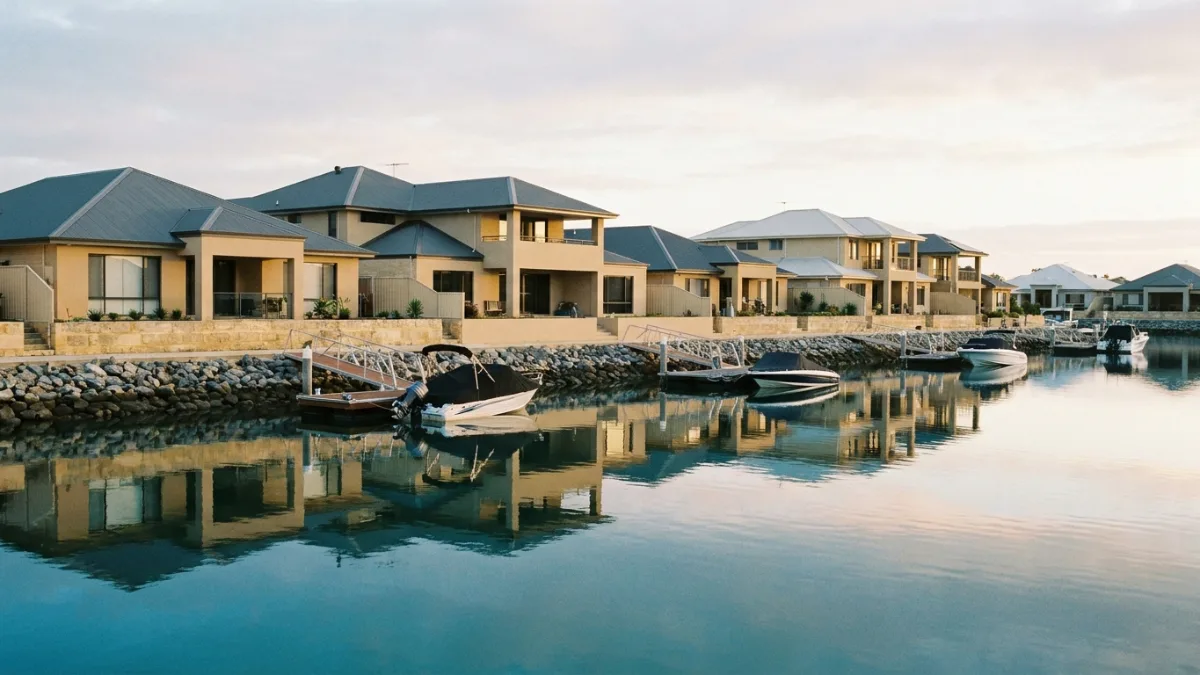
Canal, riverfront and broadwater property where frontage width, depth, orientation and revetment condition all move the number. Prime canal housing where frontage width, north-to-water orientation and bridge-free access drive the premium.
Our valuers are registered under the Valuers Registration Act 1992 (Qld) and accredited with the Australian Property Institute. We are not agents — we have no interest in what your property sells for, which is precisely why lenders, courts and the ATO accept our figures.
What we value in Broadbeach Waters
Houses & land
Detached homes, duplexes, prestige property, acreage and vacant residential land.
Units & townhouses
Strata property assessed with building age, levies, aspect and floor level factored in.
Commercial & industrial
Retail, office, warehouse and mixed-use, valued on income, leases and comparable evidence.
Development sites
Site value, feasibility input and end value under the Gold Coast City Plan.
How a Broadbeach Waters valuation runs
Full process-
1
Fixed-fee quote
Address, property type and purpose confirmed. Fee quoted with no obligation.
-
2
On-site inspection
30–60 minutes for a typical home. Longer for acreage or tenanted commercial property.
-
3
Local evidence
Canal and broadwater comparables are matched on frontage width, water depth, orientation and bridge-free ocean access.
-
4
Report delivered
Compliant written report in 1–3 business days, plus a valuer on the phone to explain it.
Answers
Broadbeach Waters valuation questions
How much does a property valuation cost in Broadbeach Waters?
Residential valuations in Broadbeach Waters typically range from $300 to $600 depending on property type, size and the purpose of the report. Commercial valuations generally start around $800 and rise with complexity. We quote a fixed fee before any work begins, with no obligation.
How quickly can you inspect a property in Broadbeach Waters?
We are based at Burleigh Heads and cover Broadbeach Waters routinely, so inspections are usually available within one to two business days — often same day. Residential reports follow within 1–3 business days; commercial reports take 3–7.
Why use a local valuer in Broadbeach Waters?
Prime canal housing where frontage width, north-to-water orientation and bridge-free access drive the premium. A valuer who works the area weekly recognises which sales are genuinely comparable and which are not — and that difference is what keeps a figure defensible in front of a lender, a court or the ATO.
Nearby suburbs we cover
We value property throughout the waterfront, canal & broadwater and across the wider Gold Coast. If a neighbouring suburb is what you need, start here.
Book a Broadbeach Waters valuation
Send the address and the reason for the valuation. We'll confirm scope, fixed fee and inspection time — usually within the hour.